
Picture this: you just closed your best sales month yet — invoices sent, deals signed. But when you check your bank account, it barely shows a profit. Or worse, you sit down with a prospective investor and realize your financial statements do not reflect your business’s true health.
This is what happens when a business chooses the wrong accounting method or doesn’t fully understand the one it’s using.
The choice between cash and accrual accounting is one of the most consequential decisions an entrepreneur can make. Here’s how to get it right.
What is Cash and Accrual Accounting?
Cash Basis Accounting
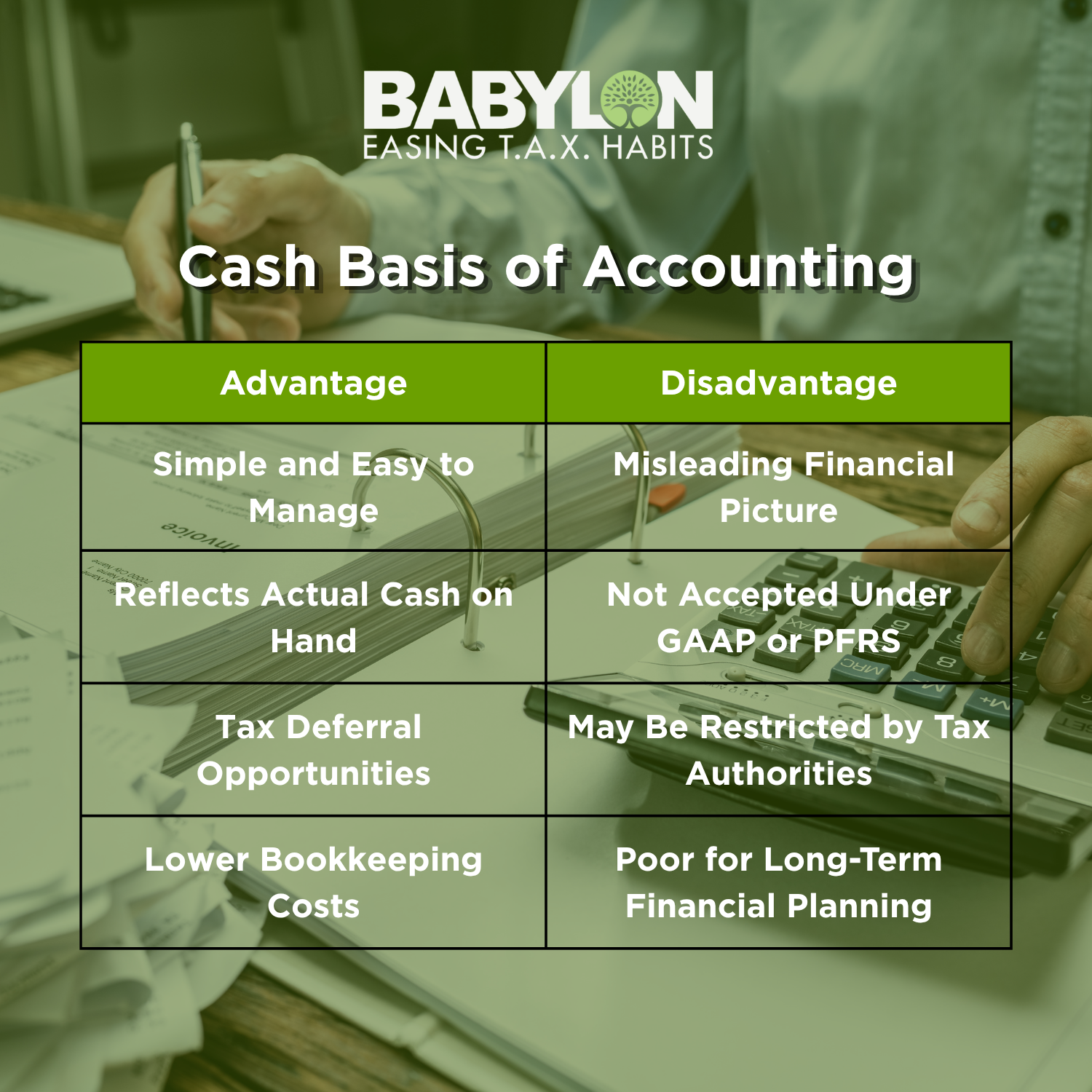
Revenue and expenses are recorded only when cash changes hands.
- Sales are recorded when a customer pays, not when you issue an invoice
- Expenses are recognized when you actually make the payment.
Think of it like a personal checkbook — you only record what goes in and out of your account.
Accrual Basis Accounting
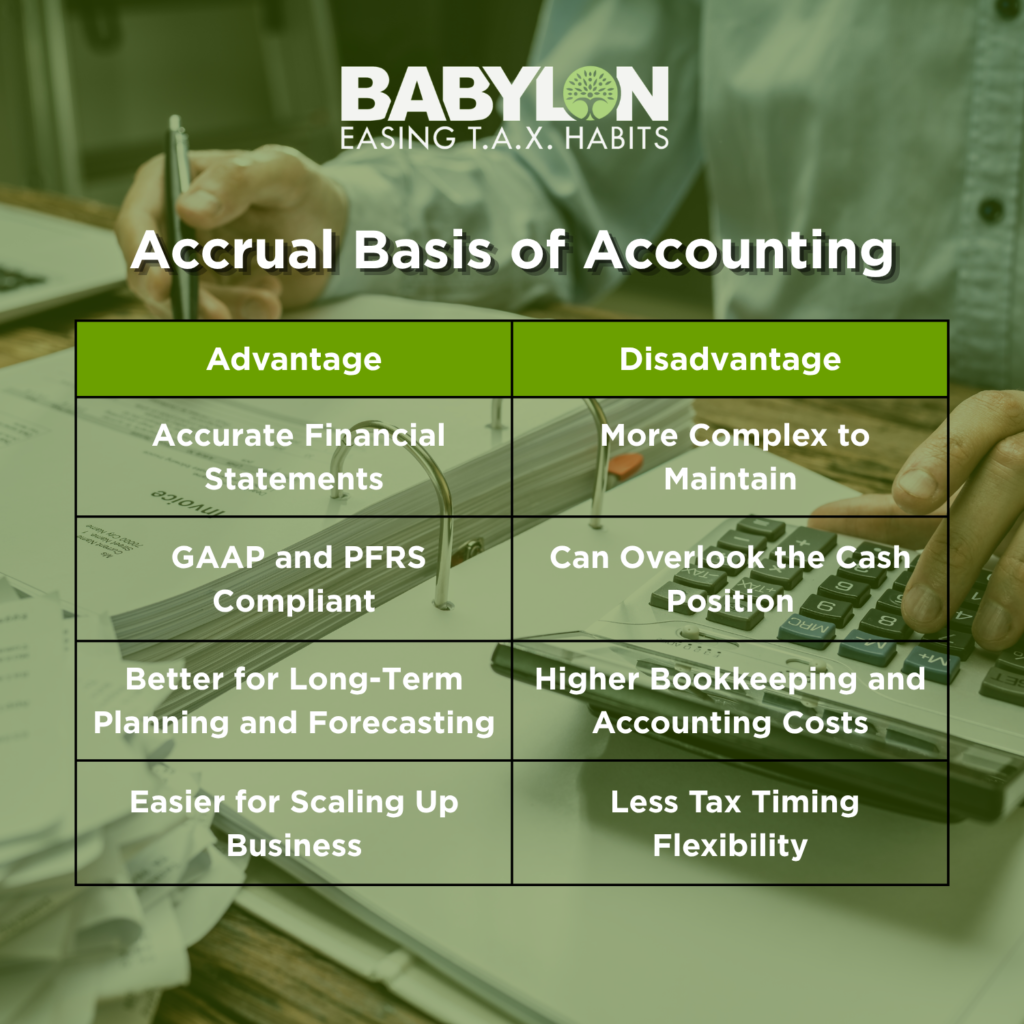
Revenue and expenses are recorded when they are earned or incurred, regardless of when cash moves.
- An invoice issued to a client is recorded as revenue immediately, even if payment arrives 60 days later.
- A supplier’s invoice is recorded as an expense as soon as you receive it, whether or not you’ve paid yet.
This method gives you a fuller picture of your business’s financial reality — not just its cash position.
Why This Decision Matters More Than You Think
Your accounting method affects far more than how your books look. It shapes:
- Your tax obligations and filing timelines
- Your ability to secure financing or attract investors
- How accurately can you project cash flows
- Compliance with local and international accounting standards
- The reliability of financial statements presented to investors and creditors
Getting this wrong doesn’t just mean messy books — it can have serious consequences for the business.
Pros and Cons at a Glance
Which Method Is Right for Your Business?
Choose Cash Basis if you are:
- A freelancer or a startup with straightforward transactions
- In an industry where immediate payments are the norm
- Prioritizing simplicity and lower bookkeeping costs
Choose Accrual Basis if you are:
- A business with revenues above regulatory thresholds requires compliance
- Seeking financing or outside investments
- Operating with complex billing cycles or long-term contracts
- Planning to expand or scale
- Required to comply with Generally Accepted Accounting Principles (GAAP), Philippine Financial Reporting Standards (PFRS), or other regulations
Pro tip: Many businesses start on a cash basis for simplicity, then transition to an accrual basis as they grow. The key is knowing when to make that switch, such as a transition — and doing it properly.
A Common Mistake: Confusing Cash Flow with Profit
One of the most damaging misconceptions in business is treating cash flow and profit as the same thing. They aren’t.
- On ACCRUAL BASIS: A business can appear profitable on paper while running critically low on cash — unable to cover day-to-day expenses. This is a common cause of business failure.
- On CASH BASIS: You get a clear view of cash on hand, but your records may not accurately reflect true profitability.
The practical solution: maintain your books on an accrual basis to capture true profitability, and separately prepare a Cash Flow statement to monitor liquidity. This is both standard practice and a common regulatory requirement.
Understanding the difference between cash flow and profit is one of the most powerful tools an entrepreneur can have.
The Bottom Line
Neither cash nor accrual accounting is universally superior — the right choice depends on your business size, goals, and compliance requirements.
The real risk isn’t picking one over the other. It’s applying your chosen method incorrectly, inconsistently, or without understanding its implications for finances and compliance.
You don’t have to figure this out alone. At Babylon2k, we help businesses of all sizes set up, manage, and optimize their accounting systems — easing your compliance burden and giving you the clarity to make confident financial decisions.
Reach out to us today for a no-obligation consultation. Let’s make sure your accounting method is working for your business, not against it.