By Concordio S. Quisaot, CPA
I only had two days to attend the SaaStr AI Annual 2026 in San Mateo, California. It was an event attended by over 10,000 people and led by more than 250 speakers. I had no VIP access and no curated itinerary — just a deliberate decision to skip the sessions and make every available time to talk with the people behind the future of B2B software and AI.
In those two days, I made over 30 meaningful connections spanning founders, C-suite executives, technical builders, and capital markets professionals from the US, UK, Germany, Portugal, India, and Canada. Here’s what I took away.
The Theme That Set the Tone
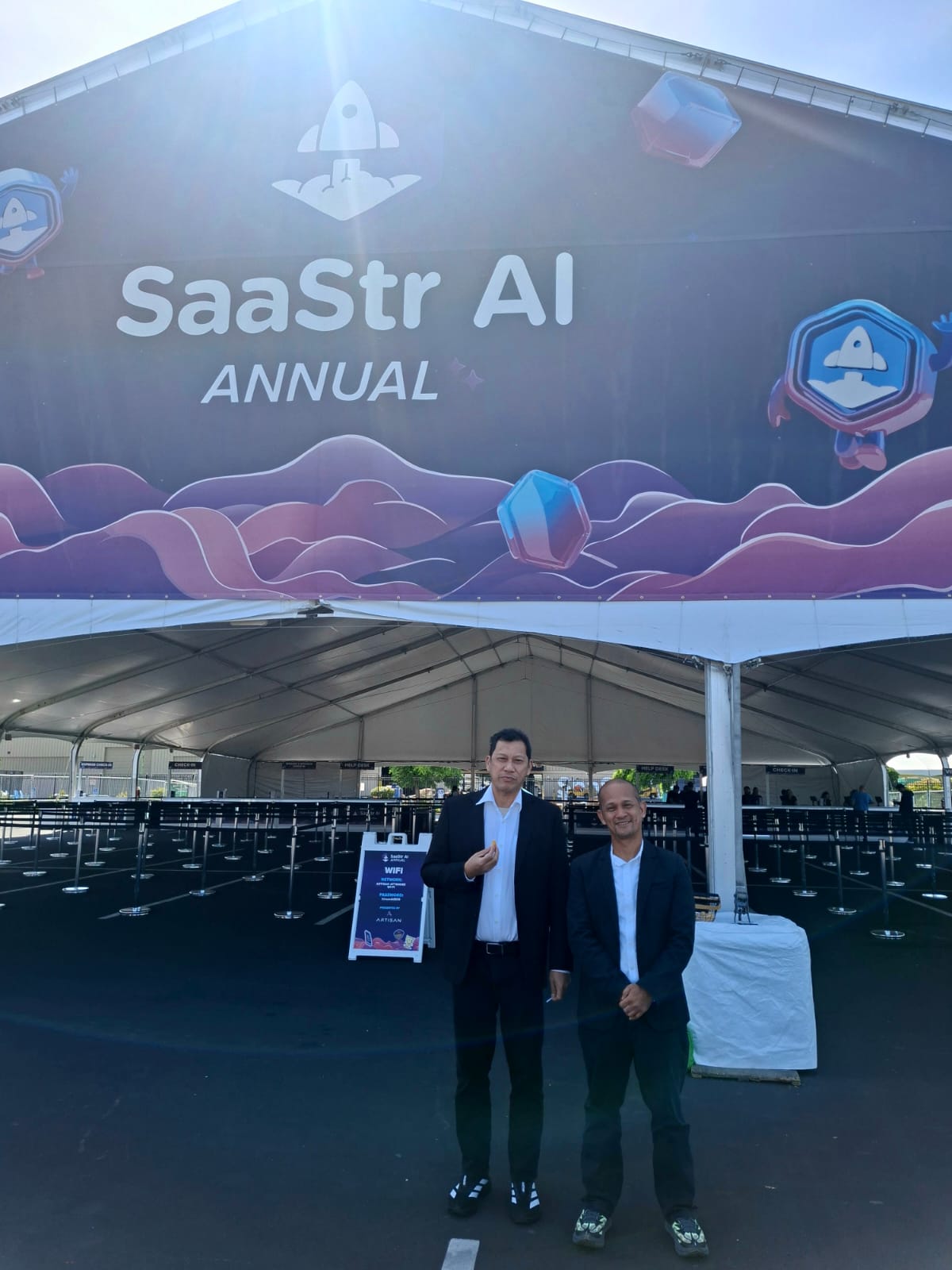
For context, SaaStr began in 2012 as a simple blog written by Jason Lemkin, who had just sold his company, EchoSign (now Adobe Sign), after scaling it to over $100 million in annual recurring revenue. What started as a personal journal grew into the largest non-vendor community in B2B SaaS, with over 500,000 members worldwide.
Unlike traditional trade shows, where vendors sell to buyers, SaaStr is a peer-driven event where founders teach other founders how to scale from zero to over $100 million. It is not a trade show. It is a movement.
Now, talking about the SaaStr 2026, they didn’t just talk about AI — it was built around it. The official theme, “In 2026, every B2B company is now an AI company,” wasn’t marketing fluff. It was the lived reality of every conversation I had.
The scale of the event reflected that urgency: 10,000+ attendees, 250+ speakers from companies like Anthropic, Databricks, Salesforce, and Canva, and over 270 venture capitalists representing more than $20 billion in annual investing power. Nearly half of all attendees were founders, CEOs, or C-suite executives, and this was not an audience of observers.
Strategy Over Sessions: Why I Chose the Hallway Over the Stage
I made a deliberate call early on — I would not sit in sessions; rather, I would meet people.
The idea is this: the sessions get recorded, but the conversations in between don’t.
My approach was simple: introduce myself, listen more than I spoke, collect LinkedIn profiles, take photos to remember faces, and leave every conversation with a clear reason to follow up. No aggressive pitching, no closing on the spot — just a genuine connection and the discipline to follow through afterward.
The People Who Stood Out
The most energizing conversations came from across the ecosystem:
- Founders at every stage: one had raised $3 million in two weeks for an all-in-one agreements platform; another was a bootstrapped CEO who had made the Inc. 5000 list four times. Both represented very different paths to building, and both were worth understanding.
- Technical Builders: a data engineer specializing in RAG and AI agents, a Developer Relations Associate running an agentic software factory, and a Software Engineer from Amazon who offered a candid view of how large-scale AI actually gets deployed. These weren’t theorists. They were the people writing the code.
- A Technology M&A Banker: a one who had closed over 100 transactions — M&A, financing, recaps, IPOs — with clients ranging from early-growth companies to a $1.5 billion vertical SaaS firm. Conversations about liquidity and exits are easy to overlook at a product-focused conference, but they matter enormously to anyone building for the long term.
- Senior executives from global companies — a Chief Client and Growth Officer from Canada, a VP of Growth from Berlin, and a Head of Finance from the UK. Each brought a different lens on scaling, internationalization, and what sustainable growth actually looks like past the early chaos.
The Professional Services Angle Nobody Talks About
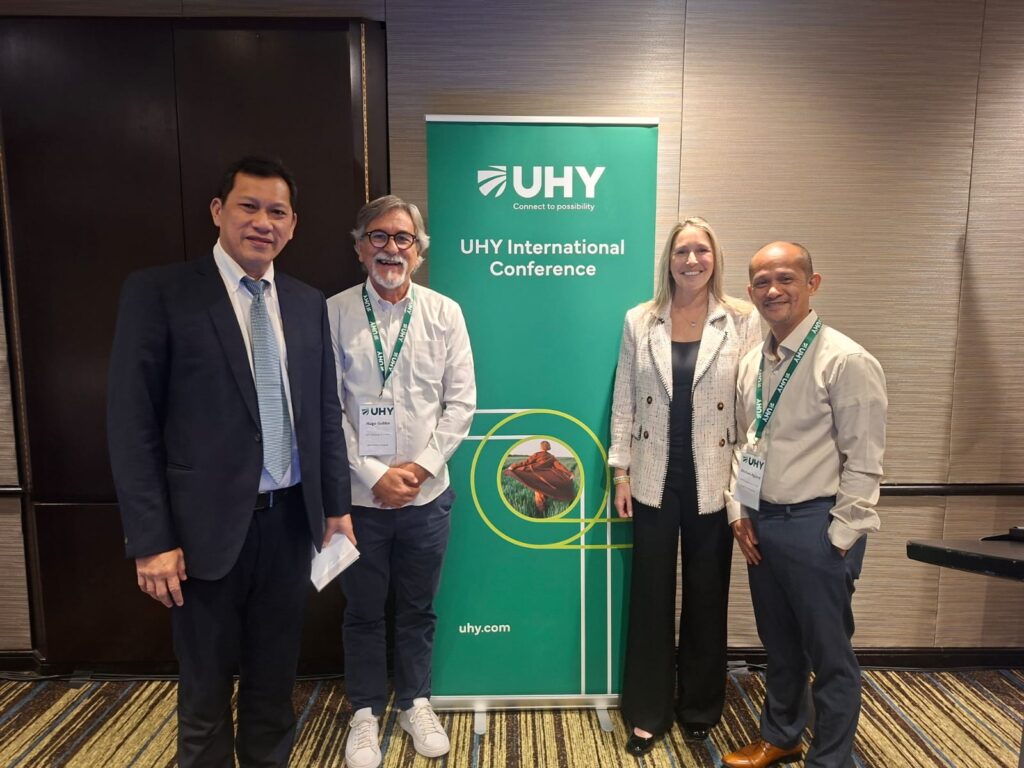
Before the conference, I sat in on a meeting between Michael Aguirre, the person who made my attendance possible, and a lawyer and accountant from UHY, a global professional services firm. The conversation centered on outsourcing US client work to UHY M.L. Aguirre, leveraging cross-border expertise to serve growing American companies.
At the time, it felt like a separate thread — but by the end of SaaStr, it didn’t.
The founders and executives I met are building companies that will eventually need serious legal, accounting, and advisory infrastructure. They’re growing fast, operating globally, and making high-stakes financial decisions. That’s exactly the gap that cross-border professional services models are built to fill — and it’s a conversation the SaaS world isn’t having loudly enough yet.
What I'm Taking Forward
The conference ended, and the work begins now.
In the near future, I’m sending personalized follow-up messages to every meaningful contact — referencing something specific from our conversation. The photos I took aren’t just for memory; they’re a natural reason to reopen a conversation. “Great meeting you at SaaStr — here’s that photo.” Simple, human, effective.
Thirty-plus connections across six countries, from pre-seed founders to M&A bankers, all made in two days by choosing people over panels.
The seeds are planted. As they say, this is just the beginning of something great.
Concordio S. Quisaot, CPA, is a former BOA member with a professional background in accounting and cross-border financial services.