
Conflict in the Middle East Not Just Geopolitical — It’s Economic.
In light of the recent news circling around the rising prices in the Philippine economy, it is important to understand the cause behind this and to acknowledge the true problem behind the ongoing “war” between the US, Israel, and Iran.
What began as a military strike has escalated into a multiple-layered crisis, affecting not only the regional stability — but also global supply chains, markets, and the day-to-day cost of living.
For businesses and individuals, the real question must not only pertain to “What is happening?”, but rather “How will this affect me, and what should I do next?”
The Root Cause: Rapid Escalation of the First Strike
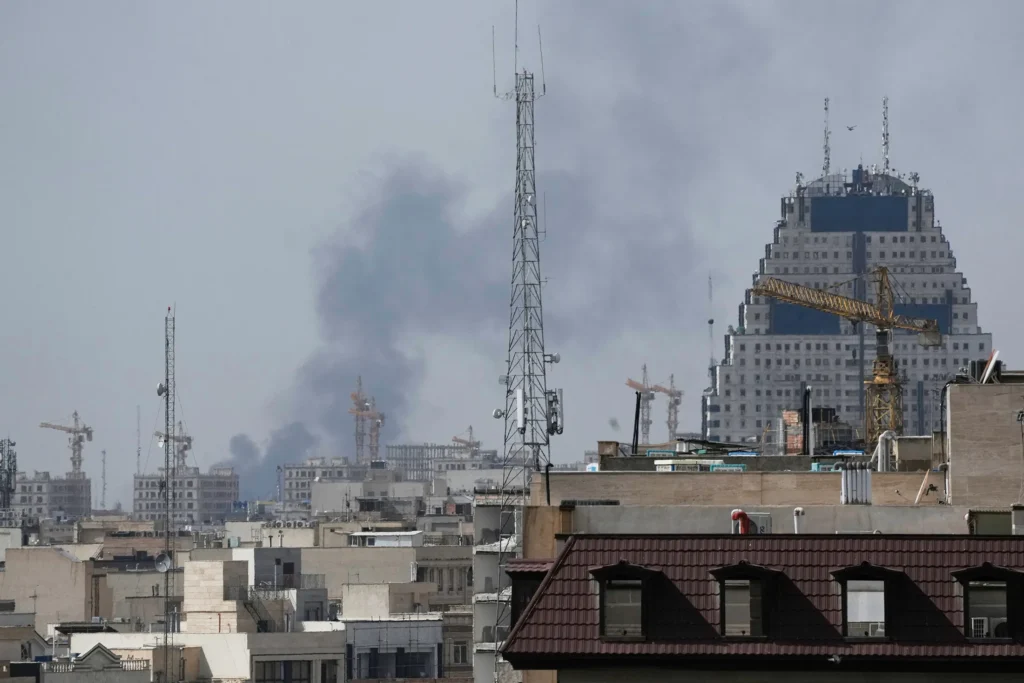
On February 28, 2026, the United States and Israel launched coordinated strikes on Iran, specifically targeting its missile infrastructure, nuclear-linked facilities, and its key leader of the Islamic Republic. The strike led to the death of Iran’s Supreme Leader, Ayatollah Ali Khamenei — an unexpected development that immediately triggered the widespread consequences that the region faces, and affected the world thereafter.
According to several reports, this was framed as a pre-emptive strike due to the long-standing problems with Iran’s nuclear program and its military influence. Nevertheless, the subsequent occurrences of the strike didn’t go well as meant for deterrence, rather — it led to a decisive escalation.
The response of Iran was fast and destructive in essence:
- Missile and drone strikes on Israel
- Strikes on U.S.-allied states across the Gulf
- Targeting of U.S. military bases
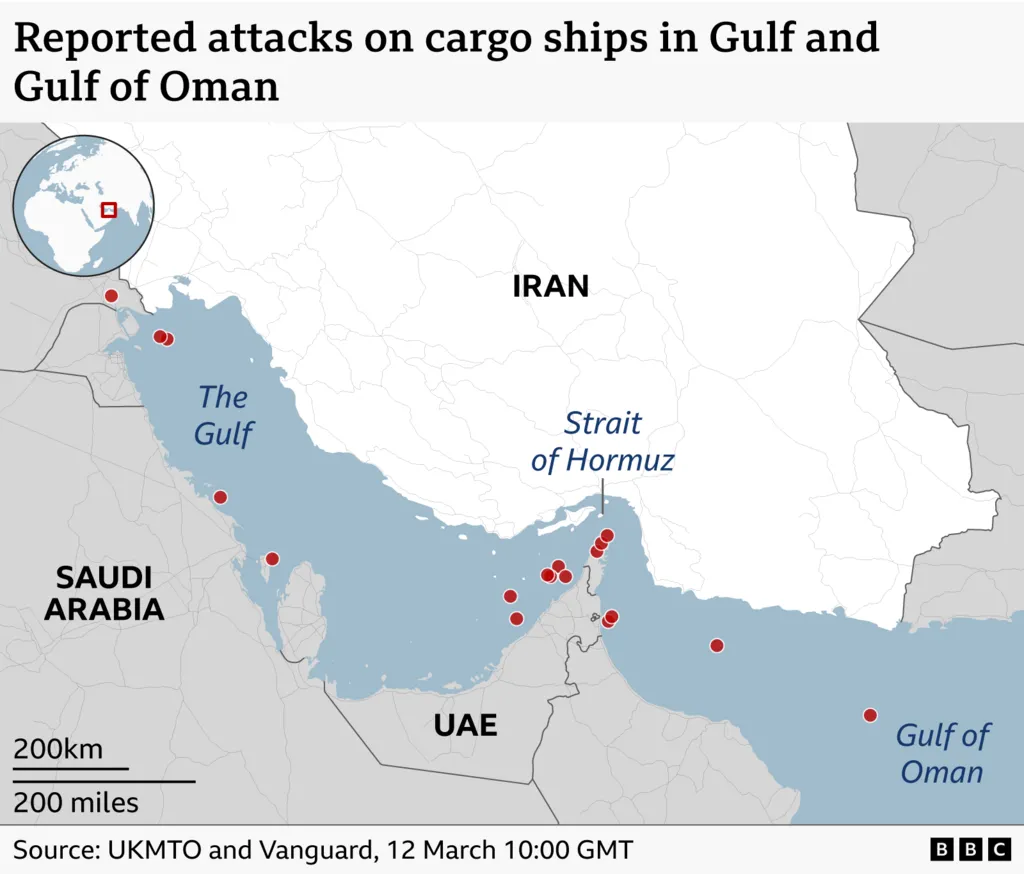
- Disruption in shipping routes
Hence, what followed was not containment of a conflict, but a regional spillover, affecting many countries and the flow of strategic assets.
The Strategic Pressure Point: Why the Strait of Hormuz is Critical
At first glance, it may initially appear that Iran’s objectives are strictly pertinent to military — yet, the strategic reality extends beyond the battlefield. Its actions, specifically the disruption of shipping routes & energy flows, are the major contributing factor to global oil price volatility. This uncertainty has raised concerns that prices could skyrocket to as much as $200 per barrel should the conflict experience further decisive escalation.
Hence, the center of this issue is the narrow waterway, which few outside logistics and energy circles fully understand: the Strait of Hormuz.
Around 16% to 20% of the world’s daily supply passes through this space, which is a few miles wide. It serves as the primary transit route for oil coming from major-producing countries such as Saudi Arabia, the United Arab Emirates, Kuwait, Iraq, and Qatar.
Therefore, if this waypoint is threatened, the following are the consequences:
- Oil shipments slow down or reroute
- Shipping insurance costs surge
- Freight rates increase
- Market volatility spikes
It is important to note that even the mere existence of the possibility of disruption is enough to move market prices. Consequently, a key concept comes in: the “Fear Premium” in Oil Prices.
The concept of this “Fear Premium” is that oil prices do not only go up because of shortages in supply, but also because of the expectations of risk. Simply, this means that the current scenario is that prices increase before supply is actually disrupted.
Global Disruptions: A System Under Stress
The war between the U.S.-Israel & Iran is now affecting the industries and the global economy, not just oil supply itself.
Aviation & Travel
- Numerous flight cancellations, rescheduling, and rerouting
- Closure of Airspace in the Middle East
- Surges in Fuel Prices (Some are doubling in certain cases)
- Increased fees on cargo and airfares
With these issues, there exists a disruption in both passenger and global logistics, having a major impact, especially for time-sensitive goods.
Shipping and Supply Chains
- Attacks on vessels and maritime routes
- Rerouting of shipments means longer delivery times
- Increased insurance premiums for “war-risk” zones
These instances affect the flow of supply chains, manufacturing inputs, and retail merchandise, including electronics and fast fashion.
Other Critical Industries
Besides the shipping and travel industries, the disruption extends to:
- Metals such as aluminum and nickel
- Semiconductors, such as helium supply constraints
- Medicine logistics, leading to cold-chain disruptions
Hence, it is deemed that even those industries that are far removed from war, like technology and healthcare, are affected.
The Philippines is not Exempt and Here’s Why
The common misconception that is kept in mind by many is that “we do not import oil from Iran, so we’re safe”, but this is completely false.
Currently, the Philippines is operating within a highly interdependent supply chain:
- 98% of crude oil imports come from the Middle East
- 97% of petroleum products and 91% of LPG come from Asian refineries — which themselves are relying on the crude oil provided by Middle East countries.
Therefore, if the source is disrupted, the entire chain is affected.
In other words, it is creating a domino effect that has devastating impacts: Middle East supply is threatened, Asian establishments for refineries receive less crude, fuel supply tightens, prices increase globally, and higher costs for Philippine imports.
Moreover, for consumers, this is interpreted as:
- Immediate fuel price hikes
- Higher transport costs
- Increased prices of commodities
And with these interpretations, this is where it becomes more than just an oil supply issue. With the recent occurrences of “panic buying” or hoarding of fuel, several unfavorable economic impacts are happening.
- Inflation Pressure – as fuel is considered a core input cost, it later affects the operation of transportation systems, agriculture, manufacturing, and distribution. Thus, an increase in fuel prices typically leads to broad-based inflation
- Growth Risks – since there are numerous increases in prices, consumers will tend to lower their spending to save up, which will result in slower economic activities.
- Currency & Trading Pressure – with the lower value of the Philippine Peso and rising import costs, the demand for foreign currency will increase, potentially affecting the exchange rates and trading balances.
What Should We Do?
Truly, there is so much ongoing, but the ultimate action lies with the people themselves. Therefore, here are some notable things for us to rationalize and do amidst the war:
For Businesses:
- Cost Sensitivity Analysis – Companies should identify which expenses are fuel-dependent, and should strategically plan out models for different pricing scenarios. Since the war is expected to last for a few weeks, it is best to mitigate the cost risks.
- Supply Chain Risk Management – If possible, it is much better to have a diversified list of suppliers and build contingency plans in cases of delay.
- Pricing Discipline – A fundamental thing to do is to avoid “knee-jerk” increases wherein there is no rationalization of the price increase. Such adjustments should be done carefully and align with actual cost movements.
- Operational Efficiency – conservation of resources is one of the highly suggested movements to do in these times of crisis. This could also be done by reducing waste and optimizing logistics or delivery routes.
For Individuals:
- Avoid Panic Buying – this is because panic buying creates artificial shortages, faster price increases, and supply imbalance. It is not practical to think that buying goods now will save on the cost of the later increase — as it will be inevitable, and it adds up to the pressure of pricing since mere expectation of risks already has a negating impact.
- Do Not Hoard Fuel – hoarding fuel will further destabilize the current supply of the local fuel providers, making it worse & inefficient for distributions.
- Adopt Energy Efficiency Habits – Practicing conservation in several ways is a good idea. This can be attained by maintaining vehicles properly, avoiding unnecessary idling, and planning trips wisely.
- Budget with Foresight – expect a continuous, gradual increase in transportation costs and goods. Doing proper budgeting by adjusting spending and getting what is enough is good.
In addition, the government has reported a fuel inventory buffer good for 60 days, which is considered above the minimum requirements and provides short-term stability.
Furthermore, there are some remedies that the government is currently considering to reduce the increase in prices:
- Fuel subsidies may be activated
- Taxes may be adjusted
Hence, this means that the problem right now is the price volatility and other economic factors, not the immediate shortage itself.
Final Insight
In times like these, the biggest movements often stem from human behavior, not just the global events themselves.
Common encounters include:
- Panic that amplifies the increase in prices
- Misinformation is creating unnecessary fear & confusion among the general public
- Reactive decisions made, leading to inefficiencies
Indeed, such global events are beyond our control, but the manner in which we respond is not. Amidst uncertainties, informed and well-thought-out decisions can create stability, both in business and in everyday life.
Stay informed and save this for your reference. Here at Babylon2k, we aim to help you think better, so you can decide better.
References: